archery instruction certification
Archery Instruction Certification: A Comprehensive Guide

Archery certification pathways‚ like USA Archery and NFAA‚ offer levels for instructors‚ from basic to master coach‚ ensuring safe and effective archery education.
Understanding the Landscape of Archery Certification
Archery instruction certification isn’t a one-size-fits-all process; several organizations offer pathways for aspiring instructors. USA Archery and the National Field Archery Association (NFAA) are the primary bodies‚ each with distinct levels and focuses. Understanding these differences is crucial for choosing the right path.
USA Archery’s program progresses from Level 1‚ suitable for beginning instructors‚ through advanced levels up to Level 5. The NFAA offers similar progression‚ with Advanced and Master Coach certifications. Joint certification is available for Levels 1 and 2‚ streamlining initial training. These programs aim to standardize archery instruction‚ emphasizing safety‚ technique‚ and effective teaching methodologies‚ ultimately benefiting both instructors and students.
USA Archery Level 1 Instructor Certification
The USA Archery Level 1 Instructor Certification serves as the foundational step for those wanting to teach archery. Applicants must be at least 15 years old and successfully complete a criminal background check‚ ensuring a safe learning environment. Membership in either USA Archery or the NFAA is also a requirement.
This initial level focuses on fundamental archery techniques‚ safety protocols‚ and basic range procedures. Successful completion equips instructors to assist in long-term programs and introduce new archers to the sport. It’s a prerequisite for advancing to higher levels and provides the necessary tools to support programs like Explore Archery.
USA Archery Level 2 Instructor Certification
The USA Archery Level 2 Instructor Certification online course builds upon Level 1‚ preparing instructors to lead long-term archery programs. This includes Junior Olympic Archery Development (JOAD)‚ Adult Archery‚ and Collegiate Archery Program clubs‚ as well as the Explore Archery program.
Students gain an introduction to the National Training System (NTS) Steps of Shooting for both recurve and compound bows. This certification provides the tools to effectively coach and develop archers‚ focusing on technique and progression. Level 1 certification is a prerequisite‚ ensuring a solid foundation before advancing to this more comprehensive level of instruction.
National Field Archery Association (NFAA) Certifications
The National Field Archery Association (NFAA) offers a distinct pathway for archery instructor certification‚ complementing USA Archery’s programs. Joint certification is available for Levels 1 and 2‚ providing a unified starting point for aspiring instructors.
Beyond these initial levels‚ the NFAA provides advanced coach certifications‚ including Advanced Coach and Master Coach designations. These higher levels require significant experience and demonstrate a mastery of coaching principles and archery techniques. The NFAA’s certifications emphasize practical skills and a deep understanding of the sport‚ preparing instructors to guide archers of all levels.
Comparing USA Archery and NFAA Certification Paths
Both USA Archery and the National Field Archery Association (NFAA) provide robust instructor certification programs‚ though they differ in structure and emphasis. Initial Levels 1 and 2 offer joint certification‚ streamlining the entry point for new instructors.
However‚ the paths diverge at advanced levels. USA Archery offers Levels 3‚ 4‚ and 5‚ while the NFAA provides Advanced Coach and Master Coach designations. Choosing between them depends on individual goals; USA Archery is strong in developmental programs like JOAD‚ while NFAA excels in field archery expertise.
Prerequisites for Archery Instructor Certification
Becoming a certified archery instructor requires meeting specific criteria set by governing bodies like USA Archery and the NFAA. A fundamental requirement is a minimum age‚ typically 15 years old for Level 1 certification.
Applicants must also undergo a criminal background check to ensure the safety of participants. Furthermore‚ membership in either USA Archery or the NFAA is mandatory to be eligible to work as an instructor. Successful completion of the chosen certification course‚ including assessments‚ is‚ of course‚ essential.
Minimum Age Requirements
Age stipulations are a primary prerequisite for archery instructor certification‚ varying slightly between organizations. USA Archery mandates a minimum age of 15 years to begin the Level 1 Instructor Certification process. This ensures candidates possess a level of maturity and responsibility crucial for safely guiding others.
While the NFAA may have similar age guidelines for their initial certifications‚ it’s essential to verify their current policies directly. These age requirements are in place to protect both the instructors and the students under their guidance‚ fostering a secure learning environment.
Membership Requirements (USA Archery & NFAA)
To become a certified archery instructor through either USA Archery or the NFAA‚ maintaining current membership with one of these organizations is generally mandatory. USA Archery requires membership for Level 1 certification and beyond‚ ensuring instructors align with their standards and safety protocols.
Similarly‚ the NFAA necessitates membership for their certification programs. This affiliation demonstrates a commitment to the sport and provides access to resources‚ training materials‚ and a network of fellow archery professionals. Membership also often includes liability insurance benefits‚ protecting instructors during teaching sessions.
Criminal Background Checks
Ensuring the safety of participants is paramount in archery instruction‚ and therefore‚ criminal background checks are a standard requirement for certification. USA Archery‚ for instance‚ mandates a background check for Level 1 instructor applicants‚ safeguarding the environment for students of all ages.
These checks typically involve verifying an applicant’s history against national and state databases‚ identifying any potential risks. The NFAA also implements similar screening processes for its certification candidates. This commitment to thorough vetting demonstrates a dedication to responsible archery education and protecting vulnerable individuals.
The Certification Process: A Step-by-Step Overview
The journey to becoming a certified archery instructor involves a structured process. Initially‚ prospective instructors must register for a course‚ choosing between online and in-person training options‚ depending on availability and preference. Following enrollment‚ candidates engage with the curriculum‚ covering foundational archery techniques and safety protocols.
A crucial step includes practical shooting assessments‚ evaluating the applicant’s skill and form. Successful completion is followed by written exams‚ testing knowledge of archery principles and teaching methodologies. Administrator approval is often needed‚ particularly for programs like NASP‚ before an instructor can begin teaching.
Course Registration and Enrollment
Archery instructor certification courses‚ offered by organizations like USA Archery and NFAA‚ require a formal registration process. Prospective instructors typically enroll through the respective organization’s website‚ selecting a course level – Level 1‚ Level 2‚ or specialized programs like NASP. Enrollment often involves completing an application form and submitting the required course fees.
Before finalizing registration‚ applicants should verify they meet the prerequisites‚ including age and membership requirements. Some courses may have limited capacity‚ necessitating early enrollment. Upon successful registration‚ candidates gain access to course materials and schedules‚ preparing them for the training phase and eventual certification.
Online vs. In-Person Training Options
Archery instructor certification programs offer both online and in-person training modalities‚ catering to diverse learning preferences and schedules. Online courses‚ like USA Archery’s Level 2‚ provide flexibility‚ allowing candidates to learn at their own pace‚ accessing materials remotely. However‚ they may lack the immediate feedback of in-person sessions.
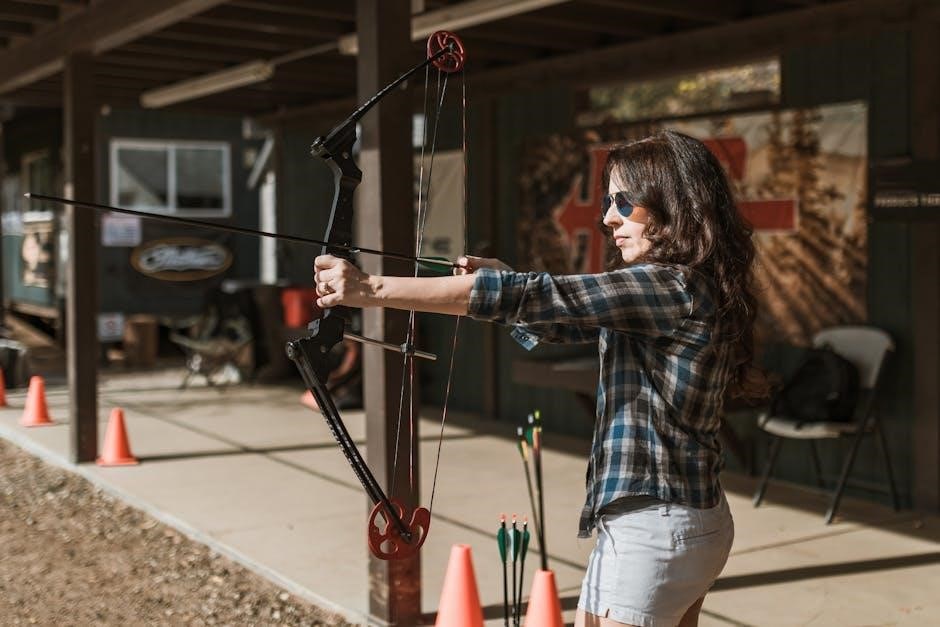
In-person courses offer hands-on experience‚ direct interaction with certified trainers‚ and opportunities for practical skill development. These are crucial for mastering archery techniques and safety protocols. Some programs combine both formats‚ offering a blended learning experience. The choice depends on individual needs‚ learning style‚ and access to local training facilities.
Practical Shooting Assessments
Archery instructor certification invariably includes practical shooting assessments to evaluate a candidate’s technical proficiency and ability to demonstrate correct form. These assessments go beyond simply hitting the target; they focus on consistency‚ accuracy‚ and adherence to safety regulations. Candidates are typically required to perform shooting sequences with both recurve and compound bows.
Evaluators observe the candidate’s stance‚ draw‚ anchor point‚ release‚ and follow-through‚ providing feedback on areas for improvement. Successful completion of these assessments demonstrates the candidate’s competence in fundamental archery skills‚ essential for effectively teaching others. These practical tests ensure instructors can safely and accurately guide students.
Written Exams and Knowledge Checks
Archery instructor certification programs utilize written exams and knowledge checks to assess a candidate’s understanding of archery principles‚ safety protocols‚ and teaching methodologies. These evaluations aren’t merely about recalling facts; they test the ability to apply knowledge to real-world scenarios encountered while instructing.
Topics covered often include the National Training System (NTS) steps of shooting‚ equipment maintenance‚ range safety procedures‚ and effective communication techniques. Knowledge checks may be incorporated throughout the course‚ while the final exam is comprehensive. Passing these assessments confirms the candidate possesses the theoretical foundation necessary to become a qualified archery instructor.
Curriculum Covered in Archery Instructor Courses
Archery instructor courses deliver a comprehensive curriculum focused on both practical skills and pedagogical techniques. Core components include a deep dive into the fundamentals of archery technique for both recurve and compound bows‚ emphasizing proper form and biomechanics. A significant portion is dedicated to safety protocols and establishing secure range procedures‚ vital for protecting students and bystanders.
Furthermore‚ courses thoroughly cover the National Training System (NTS) steps of shooting‚ providing a structured approach to skill development. Effective teaching methodologies and communication strategies are also central‚ equipping instructors to cater to diverse learning styles and foster a positive learning environment.
Fundamentals of Archery Technique (Recurve & Compound)
Archery instructor training places strong emphasis on mastering fundamental techniques for both recurve and compound bows. This includes proper stance‚ grip‚ draw‚ anchor point‚ and release – the core elements of consistent archery. Students learn to identify and correct common form flaws‚ ensuring a solid foundation for their future students.
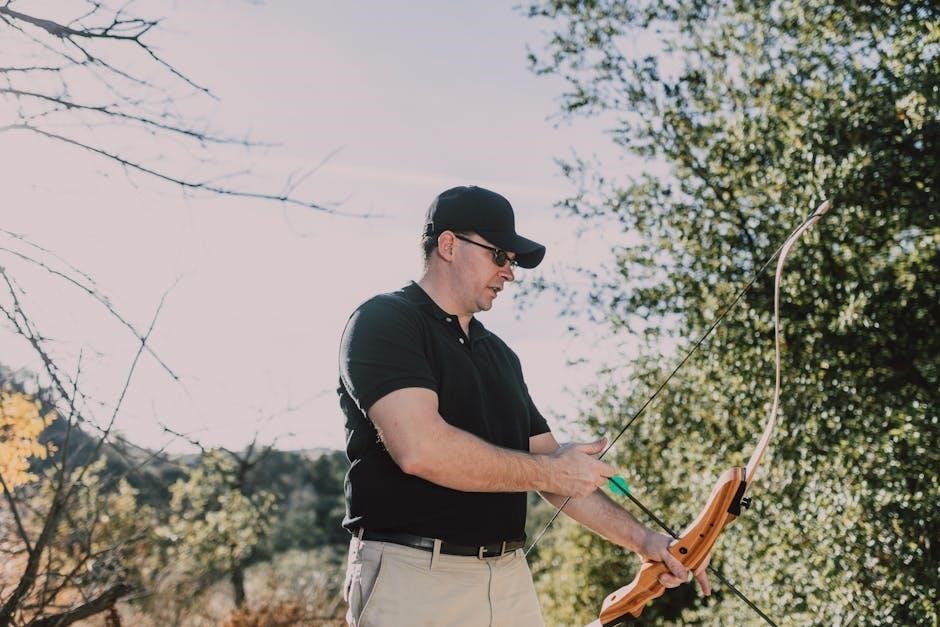
The curriculum details the unique characteristics of each bow type‚ explaining how variations in equipment impact technique. Instructors gain the ability to analyze an archer’s form‚ diagnose issues‚ and provide targeted feedback to improve accuracy and efficiency‚ ultimately fostering skill development.
Safety Protocols and Range Procedures
Archery instructor certification heavily prioritizes comprehensive safety training. Courses cover strict range rules‚ equipment inspection procedures‚ and emergency protocols to minimize risk. Instructors learn to establish a safe shooting environment‚ including proper lane assignments‚ target placement‚ and archer spacing.
A key component is teaching safe arrow handling‚ retrieval techniques‚ and the immediate response to potential hazards. Certified instructors are equipped to enforce safety regulations‚ conduct thorough range checks‚ and effectively communicate safety briefings to students‚ ensuring a secure and responsible archery experience for everyone involved.
National Training System (NTS) Steps of Shooting
Archery instructor certification‚ particularly through USA Archery‚ emphasizes mastery of the National Training System (NTS) Steps of Shooting. These steps – Stance‚ Nocking‚ Draw‚ Anchor‚ Aim‚ and Release – provide a standardized‚ progressive framework for skill development. Instructors learn to break down each step‚ identify common errors‚ and offer targeted corrections.
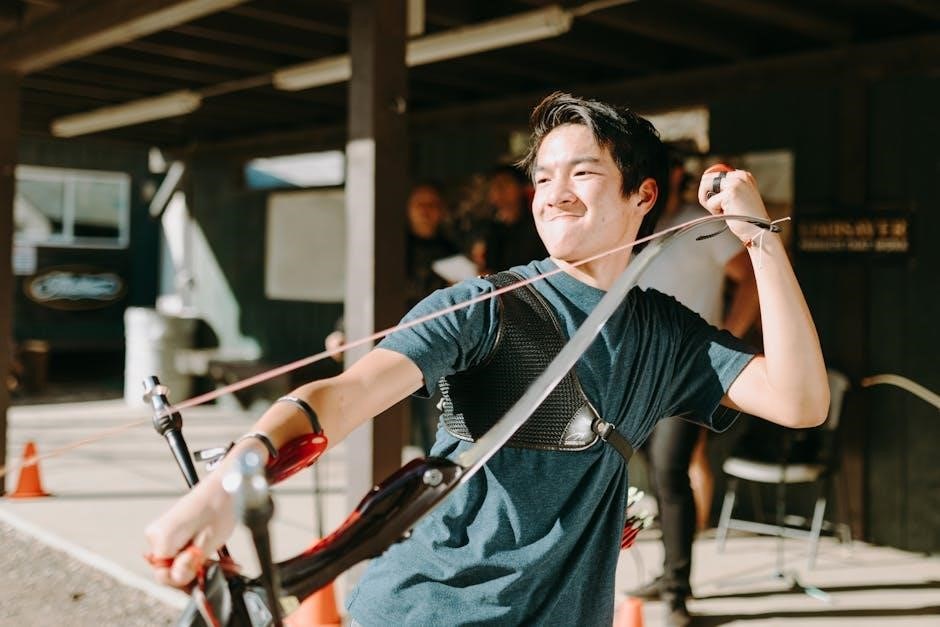
Understanding the NTS allows instructors to effectively teach both recurve and compound techniques‚ adapting their approach to individual archer needs. Certification courses provide in-depth analysis of biomechanics and proper form‚ enabling instructors to guide students toward consistent‚ accurate‚ and efficient shooting habits‚ fostering long-term improvement.
Teaching Methodologies and Effective Communication
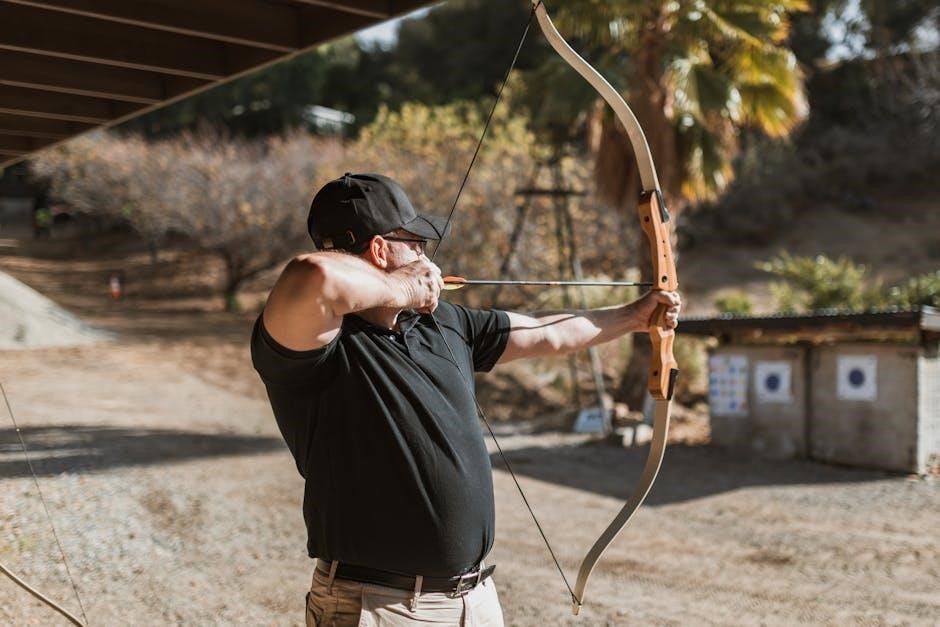
Archery instructor certification programs heavily emphasize effective teaching methodologies beyond technical skill. Instructors learn to adapt their communication style to diverse learners‚ utilizing demonstrations‚ verbal cues‚ and visual aids to convey information clearly. Understanding learning styles and providing constructive feedback are crucial components.
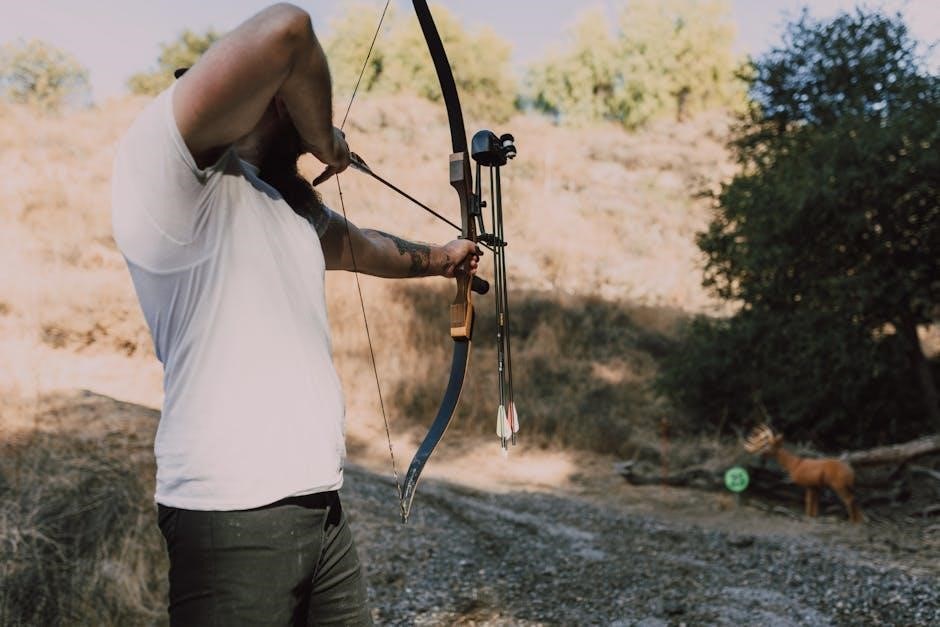
Successful certification requires demonstrating the ability to create a positive and safe learning environment. Instructors are trained in motivational techniques and how to address student anxieties. Effective communication fosters confidence‚ encourages participation‚ and ultimately accelerates skill development‚ making the learning process enjoyable and rewarding for all involved;
Specialized Certifications & Programs
Beyond core archery instructor certifications‚ specialized programs cater to specific niches within the sport. NASP (National Archery in the Schools Program) offers a Basic Archery Instructor certification focused on safe and effective school-based archery education. JOAD (Junior Olympic Archery Development) Instructor Certification prepares instructors to coach young athletes aspiring to competitive archery.
Collegiate Archery Program Instructor Training equips educators to support college-level archery clubs and teams. These specialized paths build upon foundational certifications‚ providing targeted skills and knowledge. Obtaining these credentials demonstrates a commitment to specific archery disciplines and expands an instructor’s teaching capabilities.
NASP (National Archery in the Schools Program) Basic Archery Instructor
The NASP Basic Archery Instructor (BAI) certification is specifically designed for educators and volunteers who will introduce archery within a school setting. This program prioritizes safety‚ ensuring lessons are secure for students‚ instructors‚ and the surrounding environment. Administrator approval is required before registering to become a BAI.
The BAI certification focuses on delivering NASP-approved lessons‚ emphasizing proper technique and responsible archery practices. It’s a crucial step for schools aiming to implement archery as part of their physical education curriculum‚ fostering participation and skill development in a controlled and supervised manner.
Junior Olympic Archery Development (JOAD) Instructor Certification
The USA Archery Level 2 Instructor Certification is a foundational requirement for leading long-term archery programs‚ notably Junior Olympic Archery Development (JOAD). This certification equips instructors with the skills to guide young athletes through progressive training‚ building a strong base in archery fundamentals;
JOAD instructors play a vital role in nurturing future Olympic hopefuls‚ providing coaching in both recurve and compound disciplines. Successful completion of Level 2 demonstrates proficiency in the National Training System (NTS) steps of shooting and a commitment to fostering a safe and supportive learning environment for aspiring archery athletes.
Collegiate Archery Program Instructor Training
USA Archery Level 2 Instructor Certification also prepares individuals to lead Collegiate Archery Programs‚ fostering archery participation at the university level. These programs provide opportunities for students to compete‚ train‚ and develop their archery skills in a team environment.
Instructors within collegiate programs require a strong understanding of coaching principles‚ safety protocols‚ and the ability to adapt training methods to diverse skill levels. The Level 2 certification ensures they possess the necessary knowledge to effectively manage practices‚ organize competitions‚ and promote the growth of archery within the collegiate community‚ contributing to a thriving sport.
Continuing Education and Recertification
Maintaining archery instructor certification often requires ongoing professional development and periodic recertification. USA Archery and NFAA both offer advanced coach certifications – Level 3‚ 4‚ and 5 (USA Archery)‚ and Advanced/Master Coach (NFAA) – demanding continued learning.
This commitment to continuing education ensures instructors stay current with evolving techniques‚ safety standards‚ and teaching methodologies. Recertification processes typically involve updated knowledge assessments and practical skill evaluations‚ reinforcing best practices and promoting a consistently high standard of archery instruction within the community‚ benefiting both instructors and students.