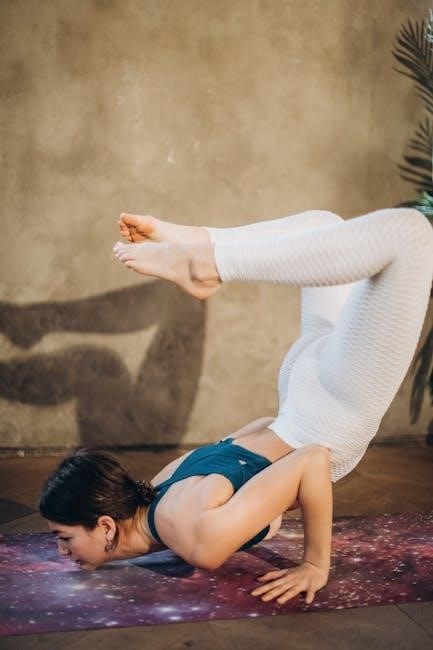
ashtanga vinyasa yoga pdf
Ashtanga Vinyasa Yoga PDF: A Comprehensive Guide
Discover a wealth of resources! PDFs offer convenient access to sequences, pose breakdowns, and guidance for dedicated practitioners seeking to deepen their Ashtanga practice.
What is Ashtanga Vinyasa Yoga?
Ashtanga Vinyasa Yoga is a dynamic, physically demanding practice that synchronizes breath with a progressive series of postures. It’s a method for self-transformation through a set sequence, traditionally learned in Mysore style with a qualified teacher. While often explored through in-person instruction, Ashtanga Vinyasa Yoga PDFs serve as valuable supplemental tools.
These digital guides can provide detailed pose instructions, modifications, and sequences for practitioners at all levels. They’re particularly useful for reviewing the practice between classes or for those seeking a portable reference. However, remember that a PDF should complement, not replace, the guidance of an experienced instructor. PDFs offer a structured approach, but personalized adjustments are crucial for safe and effective practice.
The Origins and History of Ashtanga
Ashtanga Vinyasa Yoga traces its roots to the teachings of Vamana Rishi, conveyed through a lineage of teachers including Tirumalai Krishnamacharya. K. Pattabhi Jois developed the system in the 20th century, structuring ancient yoga teachings into a defined series. Understanding this history enriches practice, even when utilizing Ashtanga Vinyasa Yoga PDFs.
Early texts and oral traditions formed the foundation, emphasizing a precise sequence and breath control. PDFs, while modern tools, aim to preserve and disseminate this traditional knowledge. They offer a convenient way to study the lineage and principles. However, remember that PDFs are interpretations; a qualified teacher provides the vital context and nuanced understanding of Ashtanga’s rich history and philosophy.
The Eight Limbs of Yoga and Ashtanga’s Place
Patanjali’s Yoga Sutras outline the eight limbs – Yama, Niyama, Asana, Pranayama, Pratyahara, Dharana, Dhyana, and Samadhi – forming a holistic path. Ashtanga Vinyasa Yoga primarily focuses on the third limb, Asana (postures), but intrinsically incorporates elements of the others. A comprehensive Ashtanga Vinyasa Yoga PDF should acknowledge this broader context.
The dynamic practice, linked breath to movement, cultivates Pranayama (breath control) and Dharana (concentration). While PDFs detail the physical postures, they often lack guidance on the ethical precepts (Yama & Niyama) or meditative aspects. Remember, Ashtanga isn’t just physical; it’s a complete system. Supplementing PDF study with a teacher ensures a balanced and authentic practice aligned with all eight limbs.
The Ashtanga Primary Series
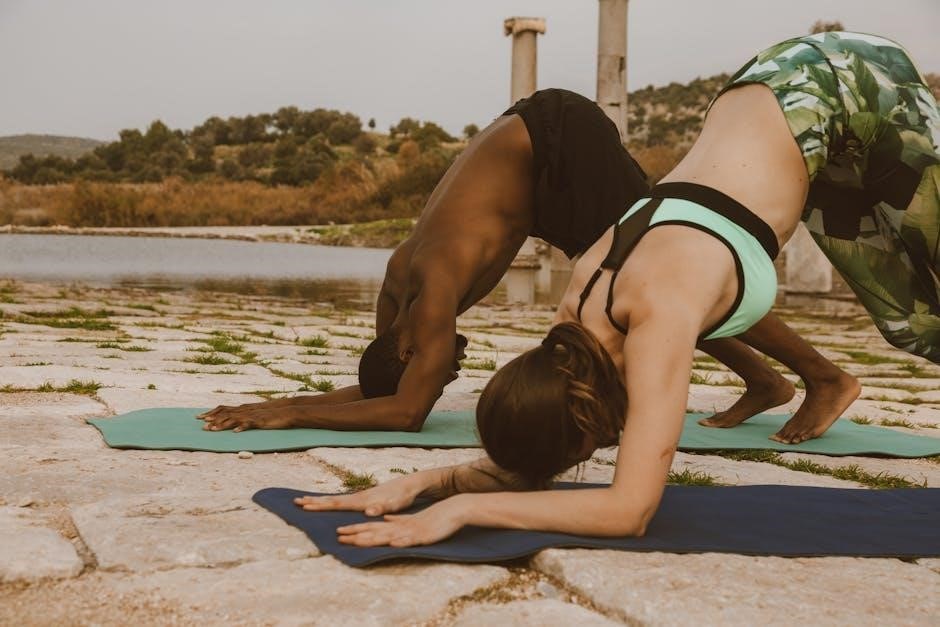
Explore the foundational sequence! A detailed Ashtanga Vinyasa Yoga PDF will guide you through the Primary Series, building strength, flexibility, and internal heat.
Understanding the Sequence
The Primary Series is a fixed sequence of postures, meticulously designed to purify the body and prepare it for deeper practice. An Ashtanga Vinyasa Yoga PDF is invaluable for grasping this order, as memorization is key. Each asana (pose) is linked to the next through a flowing vinyasa – a coordinated movement with breath.
These transitions, including Sun Salutations, build internal heat and promote detoxification. A good PDF will visually demonstrate these connections, clarifying the precise alignment and breath cues for each movement. Understanding the sequence isn’t just about memorizing poses; it’s about recognizing the intelligent progression and the energetic flow it creates. Consistent practice, guided by a reliable PDF resource, unlocks the series’ transformative potential.
Key Poses in the Primary Series
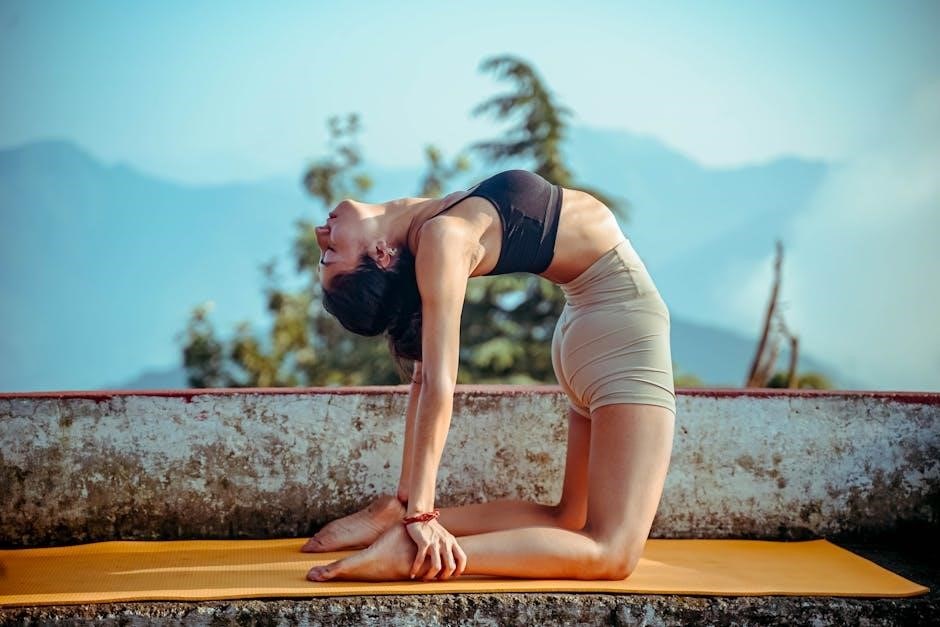
The Primary Series features foundational poses like Tadasana (Mountain Pose), Adho Mukha Svanasana (Downward-Facing Dog), and the standing poses – Uttanasana, Ardha Uttanasana, and variations. An Ashtanga Vinyasa Yoga PDF should detail these, offering modifications and alignment cues. More challenging poses, such as Chaturanga Dandasana and the seated forward bends, require careful attention.
PDFs often include images or illustrations demonstrating proper form. Understanding the drishti (gaze point) and bandhas (energy locks) within each pose is crucial. A comprehensive PDF will highlight these elements, aiding practitioners in building strength, flexibility, and body awareness throughout the series. Mastering these key poses forms the bedrock of a successful Ashtanga practice.
Modifications for Beginners
An effective Ashtanga Vinyasa Yoga PDF for newcomers will emphasize modifications. Beginners often struggle with Chaturanga; utilizing knees on the ground is a safe alternative. Forward bends can be adapted by bending the knees or using a strap. PDFs should illustrate these adjustments clearly.
Prioritizing proper alignment over depth is key. A good resource will suggest breaking down poses into smaller steps. Ujjayi breath can be practiced separately to build stamina. Remember, consistency is more important than achieving perfect form immediately. A well-designed PDF will empower beginners to build a solid foundation and avoid injury, fostering a sustainable practice.
Ashtanga Vinyasa Yoga PDF Resources
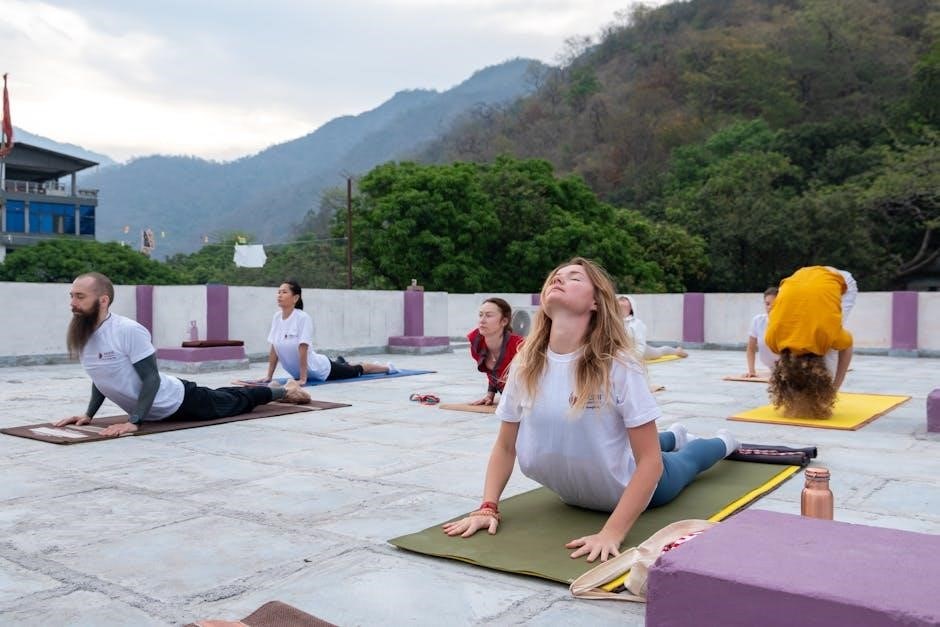
Explore digital guides! PDFs provide accessible Ashtanga sequences, pose instructions, and practice tips, supporting your journey from anywhere, anytime.
Finding Reputable Online PDFs
Locating trustworthy Ashtanga Vinyasa Yoga PDFs requires careful consideration. Prioritize resources from established yoga centers or certified instructors, like those offering Mysore programs, such as the Ashtanga Yoga Center of Toronto (AYCT).
Beware of generic or uncredited PDFs, as accuracy can vary significantly. Look for PDFs detailing the Primary Series with clear pose descriptions and sequencing. Websites associated with experienced teachers often provide valuable, reliable materials.
Check for proper anatomical alignment cues and modifications. A good PDF will emphasize the importance of a qualified teacher for personalized guidance, acknowledging self-practice limitations. Always cross-reference information with multiple sources to ensure comprehensive understanding and safe practice.
Benefits of Using a PDF Guide
Ashtanga Vinyasa Yoga PDFs offer unparalleled convenience for dedicated practitioners. They provide a portable, readily accessible reference for the sequence, allowing for consistent self-practice alongside a qualified teacher’s guidance.
PDFs facilitate detailed study of poses, transitions (vinyasas), and breathing techniques (Ujjayi breath) at your own pace. They can supplement in-person classes, reinforcing learning and deepening understanding of the Primary Series.
A well-structured PDF can aid in memorization and tracking progress, fostering self-discipline. They’re especially useful for those traveling or with limited access to regular classes, promoting a continuous yoga journey.
Evaluating the Quality of a PDF
When selecting an Ashtanga Vinyasa Yoga PDF, critical evaluation is essential. Prioritize resources created by experienced, certified Ashtanga teachers – look for credentials and lineage information.
Assess the clarity of pose descriptions and illustrations; they should accurately depict alignment and transitions. A quality PDF will detail the vinyasa system and emphasize the importance of Ujjayi breath and bandhas.
Beware of PDFs lacking proper sequencing or promoting modifications that deviate significantly from traditional Ashtanga. Cross-reference information with reputable sources and, ideally, consult a teacher before relying solely on a PDF for practice.
The Importance of a Qualified Teacher
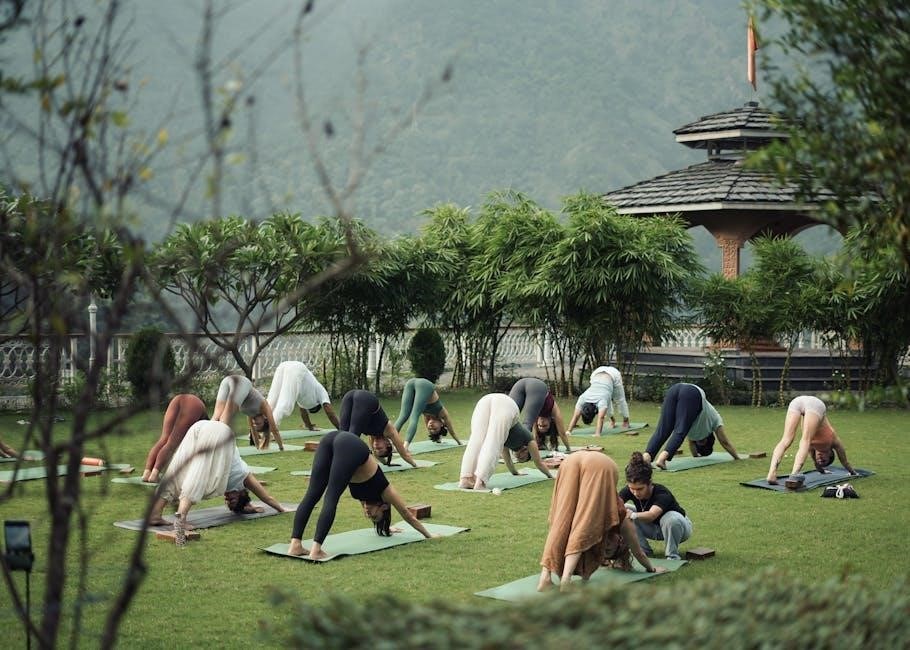
Guidance from a skilled instructor is crucial, even with PDFs. A teacher ensures proper alignment, prevents injury, and fosters a safe, effective practice.
Why Self-Practice Requires Guidance
While Ashtanga PDFs provide sequences, self-practice demands mindful awareness and proper technique. Without a teacher’s eye, subtle misalignments can develop, potentially leading to injury or hindering progress. A qualified instructor offers personalized adjustments, ensuring each pose is executed safely and effectively, tailored to your individual body and limitations.
PDFs are excellent supplements, but they cannot replicate the nuanced feedback of a seasoned teacher. They can’t correct habitual patterns or offer modifications when needed. Guidance fosters a deeper understanding of vinyasa and bandhas, crucial elements often missed in self-study. Ultimately, a teacher’s mentorship accelerates learning and cultivates a sustainable, injury-free practice.
Finding a Certified Ashtanga Teacher
Supplementing your PDF study with a qualified teacher is paramount. Look for instructors authorized by KPJAYI (Krishna Pattabhi Jois Ashtanga Yoga Institute) in Mysore, India – the lineage holder of Ashtanga. Websites like Ashtanga.com list authorized teachers globally, ensuring authenticity and adherence to traditional methods.
Consider teachers offering Mysore-style classes, where individualized instruction is provided. These classes allow for personalized attention and adjustments, crucial for safe and effective practice. Research their experience, teaching style, and student testimonials. A skilled teacher will guide you through the series progressively, respecting your body’s limitations and fostering a deep understanding of the practice beyond simply following a PDF sequence.
The Mysore Style of Ashtanga
The Mysore style, originating in India, is a self-practice method under the direct guidance of a teacher. Unlike a led class, students work through the Ashtanga Primary Series (or beyond) at their own pace, receiving individual adjustments and instruction. A PDF can serve as a reference, but it cannot replicate this personalized attention.
Teachers observe each student, offering hands-on assistance with alignment and modifications. This fosters a deeper understanding of vinyasa and bandhas. David Robson at Ashtanga Yoga Center of Toronto exemplifies this approach, leading a large Mysore program. It’s a dynamic, evolving practice, guided by a teacher’s wisdom, far exceeding the static nature of a PDF.
Sun Salutations (Surya Namaskar) in Ashtanga
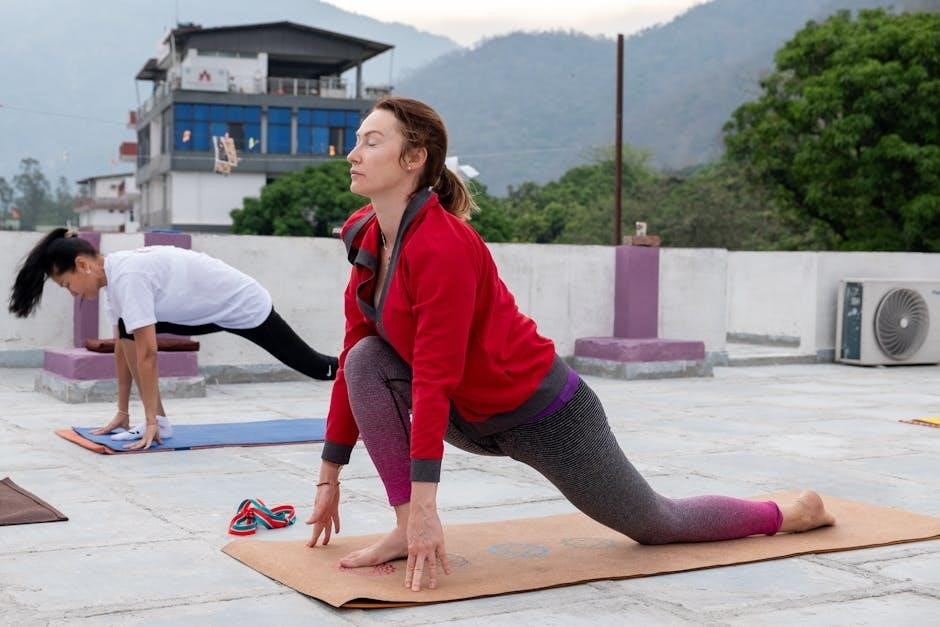
PDF guides detail Sun Salutation A and B, foundational sequences performed multiple times, building heat and linking breath to movement—essential Ashtanga components.
Sun Salutation A: Detailed Breakdown
Ashtanga PDF resources meticulously break down Sun Salutation A, outlining each vinyasa – the precise sequence of poses synchronized with breath. These guides typically begin with Tadasana (Mountain Pose), flowing into Urdhva Hastasana (Raised Arms Pose), then Uttanasana (Forward Fold).
Detailed PDFs illustrate the transition to Ardha Uttanasana (Halfway Lift), followed by Chaturanga Dandasana (Low Plank), Urdhva Mukha Svanasana (Upward-Facing Dog), and Adho Mukha Svanasana (Downward-Facing Dog).
Crucially, they emphasize the vinyasa between each pose – the jump back and forward – and the importance of Ujjayi breath throughout. Many PDFs include modifications for varying levels, ensuring accessibility for beginners while maintaining the core principles of Ashtanga.
Sun Salutation B: Detailed Breakdown
Ashtanga PDF guides present Sun Salutation B as a more complex sequence, building upon Sun Salutation A. It commences in Tadasana, progressing through Urdhva Hastasana and Uttanasana, mirroring the initial steps of A. However, it diverges with a jump back to Chaturanga Dandasana, then Urdhva Mukha Svanasana and Adho Mukha Svanasana.
The key distinction lies in the addition of Chair Pose (Utkatasana) after Downward-Facing Dog, followed by a jump forward to Uttanasana. PDFs often detail the precise alignment in Chair Pose and the controlled jump-throughs.
These resources highlight the importance of maintaining Ujjayi breath and bandhas throughout, offering modifications for those building strength and flexibility. Visual aids are common, clarifying each transition.
The Role of Ujjayi Breath
Ashtanga Vinyasa Yoga PDFs consistently emphasize Ujjayi breath – often termed “ocean breath” – as fundamental to the practice. It’s a diaphragmatic breath constricted slightly at the back of the throat, creating a soft oceanic sound. PDFs detail how this breath generates internal heat (tapas), aiding detoxification and building focus.
These guides explain that Ujjayi synchronizes movement with breath, creating a meditative flow. It also stabilizes the body and mind, promoting drishti (gaze point) concentration.
PDFs often include exercises to cultivate Ujjayi, stressing its role in maintaining bandhas and deepening the practice’s energetic effects.
Vinyasa and Bandhas
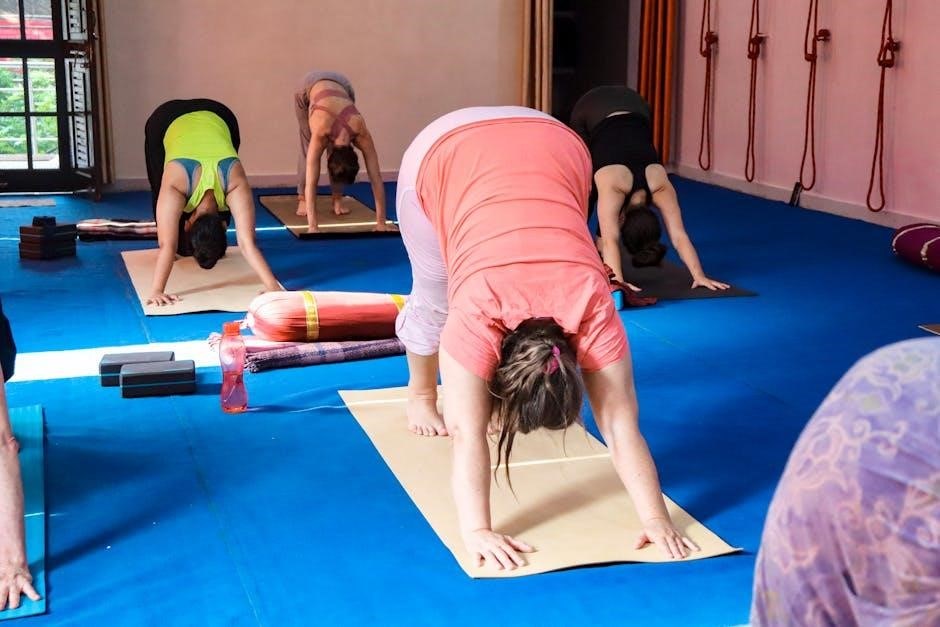
Ashtanga PDFs detail the vital link between vinyasa – the breath-synchronized movement – and bandhas, internal energetic locks, for stability and power.
Understanding the Vinyasa System
Ashtanga Vinyasa Yoga PDFs meticulously explain the vinyasa system – a foundational element of the practice. This isn’t merely about linking poses; it’s a precise method of coordinating breath with movement. PDFs illustrate how each asana (pose) transitions into the next through specific movements, creating a flowing, meditative sequence.
These guides often break down the vinyasa count, detailing the number of breaths taken during each transition. Understanding this rhythm is crucial. PDFs demonstrate how the consistent application of vinyasa generates internal heat (tapas), purifies the body, and cultivates focus. They emphasize that the vinyasa isn’t just a physical process, but a pathway to deeper self-awareness and energetic alignment. Detailed diagrams and step-by-step instructions within these resources help practitioners grasp this complex, yet rewarding, system.
The Three Bandhas: Mula, Uddiyana, and Jalandhara
Ashtanga Vinyasa Yoga PDFs dedicate significant attention to the bandhas – energetic locks vital for safe and effective practice. These guides thoroughly explain Mula Bandha (root lock), engaging the pelvic floor; Uddiyana Bandha (abdominal lock), lifting the abdomen; and Jalandhara Bandha (chin lock), gently tucking the chin.
PDFs illustrate how these aren’t muscular contractions, but subtle internal engagements that stabilize the core, direct energy flow, and protect the spine. They detail how to activate each bandha individually and then integrate them throughout the vinyasa sequence. Diagrams and clear instructions help practitioners understand the nuanced application of bandhas, enhancing stability, deepening poses, and unlocking the full potential of the practice.
Integrating Bandhas into Practice
Ashtanga Vinyasa Yoga PDFs emphasize that bandhas aren’t isolated techniques, but integral components woven into every movement. These resources demonstrate how to subtly engage Mula, Uddiyana, and Jalandhara Bandha throughout each vinyasa – the synchronized breath and movement.
PDFs often provide pose-specific instructions, detailing how bandhas support alignment and deepen the experience. They explain how maintaining these energetic locks creates internal heat, stabilizes the core, and protects the spine. Detailed cues help practitioners find the delicate balance between effort and ease, ensuring the bandhas enhance, rather than hinder, the flow of the practice, leading to a more profound and transformative experience.
Ashtanga and Physical Benefits
Ashtanga Vinyasa Yoga PDFs highlight increased strength, flexibility, and improved cardiovascular health, alongside enhanced detoxification and heightened body awareness through consistent practice.
Increased Strength and Flexibility
Ashtanga Vinyasa Yoga PDFs frequently detail how the dynamic sequences build significant physical strength. The consistent vinyasa flow, linking breath to movement, engages multiple muscle groups simultaneously, fostering overall body toning. PDF guides often illustrate modifications for varying strength levels, ensuring accessibility.
Furthermore, these resources emphasize the progressive nature of Ashtanga, gradually increasing flexibility over time. Holding poses and transitioning through vinyasas stretches muscles and improves range of motion. PDFs showcase detailed alignment cues, crucial for safe and effective stretching. They also demonstrate how consistent practice can unlock deeper flexibility, benefiting both athletic performance and daily life. Detailed pose breakdowns within PDFs help practitioners understand proper form and avoid injury while enhancing both strength and flexibility.
Improved Cardiovascular Health
Ashtanga Vinyasa Yoga PDFs highlight the practice’s ability to significantly enhance cardiovascular health. The continuous, flowing movements elevate heart rate, providing a dynamic cardiovascular workout. PDF guides often explain how the synchronized breathwork (ujjayi breath) further optimizes oxygen intake, boosting circulation.
These resources detail how regular Ashtanga practice strengthens the heart muscle and improves blood vessel function. PDFs may include information on monitoring heart rate during practice and adjusting intensity accordingly. They emphasize that the sustained physical exertion, combined with mindful breathing, contributes to lower blood pressure and reduced risk of heart disease. Detailed sequences within PDFs allow practitioners to build stamina and improve their overall cardiovascular fitness safely and effectively.
Detoxification and Body Awareness
Ashtanga Vinyasa Yoga PDFs frequently emphasize the practice’s detoxifying effects. The vigorous movements and specific breathing techniques stimulate internal organs, promoting lymphatic drainage and aiding in the elimination of toxins. PDF guides often explain how the heat generated during practice encourages sweating, a natural detoxification process.
Furthermore, these resources highlight the cultivation of heightened body awareness. Through focused attention on breath and movement, practitioners develop a deeper connection to their internal sensations. PDFs may include anatomical illustrations and cues to refine alignment, fostering proprioception. This increased awareness extends beyond the physical, promoting a greater understanding of one’s body and its needs, supporting overall wellbeing and mindful living, as detailed in many PDF resources.

Ashtanga and Mental Wellbeing
PDF guides detail how Ashtanga fosters mindfulness, reduces stress, and cultivates self-discipline through consistent practice and breath control techniques.
Stress Reduction and Mindfulness
Ashtanga Vinyasa Yoga PDFs often emphasize the crucial link between breath and mind, detailing how ujjayi breathwork, central to the practice, actively calms the nervous system. These resources illustrate how focusing on the present moment – the sensation of each pose, the rhythm of the breath – cultivates mindfulness, effectively reducing mental chatter and anxiety;
Many PDF guides include explanations of drishti (gaze points), further anchoring practitioners in the present. The repetitive, flowing nature of the sequences, as outlined in these documents, can be meditative, allowing practitioners to release tension and find a sense of inner peace. Detailed pose instructions within the PDFs promote body awareness, fostering a deeper connection to oneself and diminishing the impact of external stressors.
Cultivating Self-Discipline
Ashtanga Vinyasa Yoga PDFs frequently highlight the practice’s inherent structure as a powerful tool for building self-discipline; The fixed sequence, meticulously detailed in these guides, demands consistent effort and commitment. Following the prescribed order, even when challenging, fosters a sense of dedication and perseverance.
PDF resources often emphasize the importance of establishing a regular practice, encouraging practitioners to commit to a specific time and space. This consistent engagement, guided by the PDF’s sequence, strengthens willpower and cultivates a disciplined approach not only to yoga but also to other areas of life. The Mysore style, explained in some PDFs, further reinforces self-reliance and personal responsibility in practice.
The Connection Between Breath and Mind
Ashtanga Vinyasa Yoga PDFs consistently underscore the vital link between ujjayi breath and mental focus. These guides detail how synchronizing movement with breath—the vinyasa system—calms the nervous system and anchors the mind in the present moment. Detailed instructions within PDFs often emphasize maintaining a steady, audible breath throughout the practice.
By focusing on the breath, practitioners can observe thoughts without judgment, fostering mindfulness. PDFs may include cues to deepen the breath, promoting relaxation and reducing mental chatter. This conscious breathing, as explained in many resources, creates a meditative state, enhancing self-awareness and cultivating a deeper connection between body and mind during the practice.
Common Challenges in Ashtanga Practice
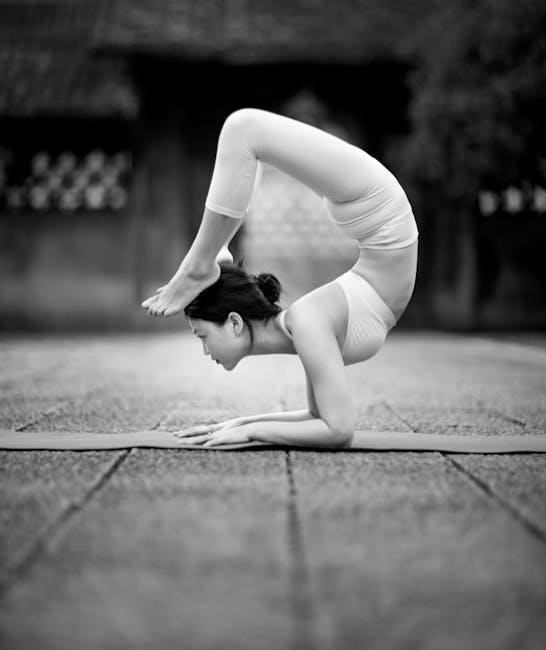
PDF guides acknowledge injuries, mental blocks, and consistency issues. They offer modifications and advice to navigate these hurdles, promoting a safe and sustainable practice.
Dealing with Injuries
Ashtanga PDFs often highlight the importance of listening to your body and modifying poses when necessary. Many resources emphasize that pushing through pain can exacerbate injuries, hindering long-term progress. Look for guides that offer alternative variations for challenging asanas, catering to different levels of flexibility and strength.
Comprehensive PDFs may include sections on common Ashtanga-related injuries, such as wrist strain, lower back pain, and hamstring issues. They’ll detail preventative measures and suggest appropriate modifications. Some even provide guidance on when to seek professional medical attention. Remember, a well-structured PDF will prioritize safe practice over achieving a perfect form, acknowledging individual limitations and promoting mindful movement.
Overcoming Mental Blocks
Ashtanga practice, as detailed in many PDFs, isn’t solely physical; mental fortitude is crucial. PDFs often address the internal resistance that arises during practice – the self-doubt, frustration, or aversion to certain poses. Look for resources that offer techniques for cultivating self-compassion and acceptance.
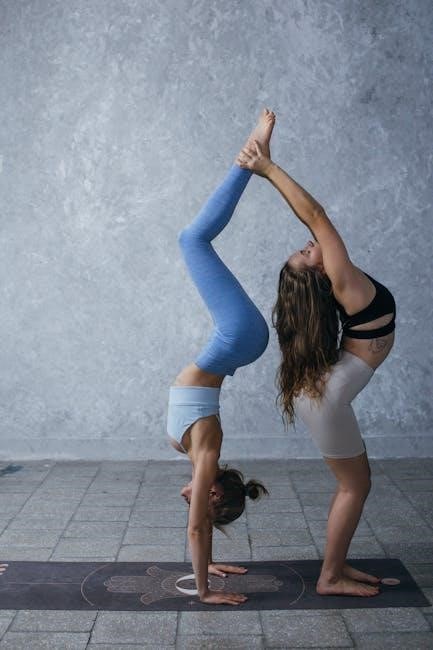
Effective guides may suggest focusing on the breath (Ujjayi) as an anchor during challenging moments, or breaking down complex poses into smaller, more manageable steps. Some PDFs incorporate mindfulness exercises to help practitioners observe their thoughts and emotions without judgment. Remember, overcoming mental blocks is a process; a good PDF will encourage patience and persistence, emphasizing the journey over the destination.
Maintaining Consistency
A key challenge in Ashtanga, often addressed within comprehensive PDF guides, is establishing a regular practice. PDFs can provide structured schedules and tips for integrating yoga into a busy lifestyle. Look for resources that emphasize the importance of setting realistic goals and starting small, perhaps with just a few Sun Salutations daily.
Many guides suggest creating a dedicated practice space and time, minimizing distractions. PDFs may also offer advice on tracking progress and celebrating milestones to stay motivated. Remember, consistency doesn’t mean perfection; missing a day is okay, but returning to the mat is vital. A well-designed PDF will inspire you to prioritize your practice.